
Understanding Newborn Ear Deformities.

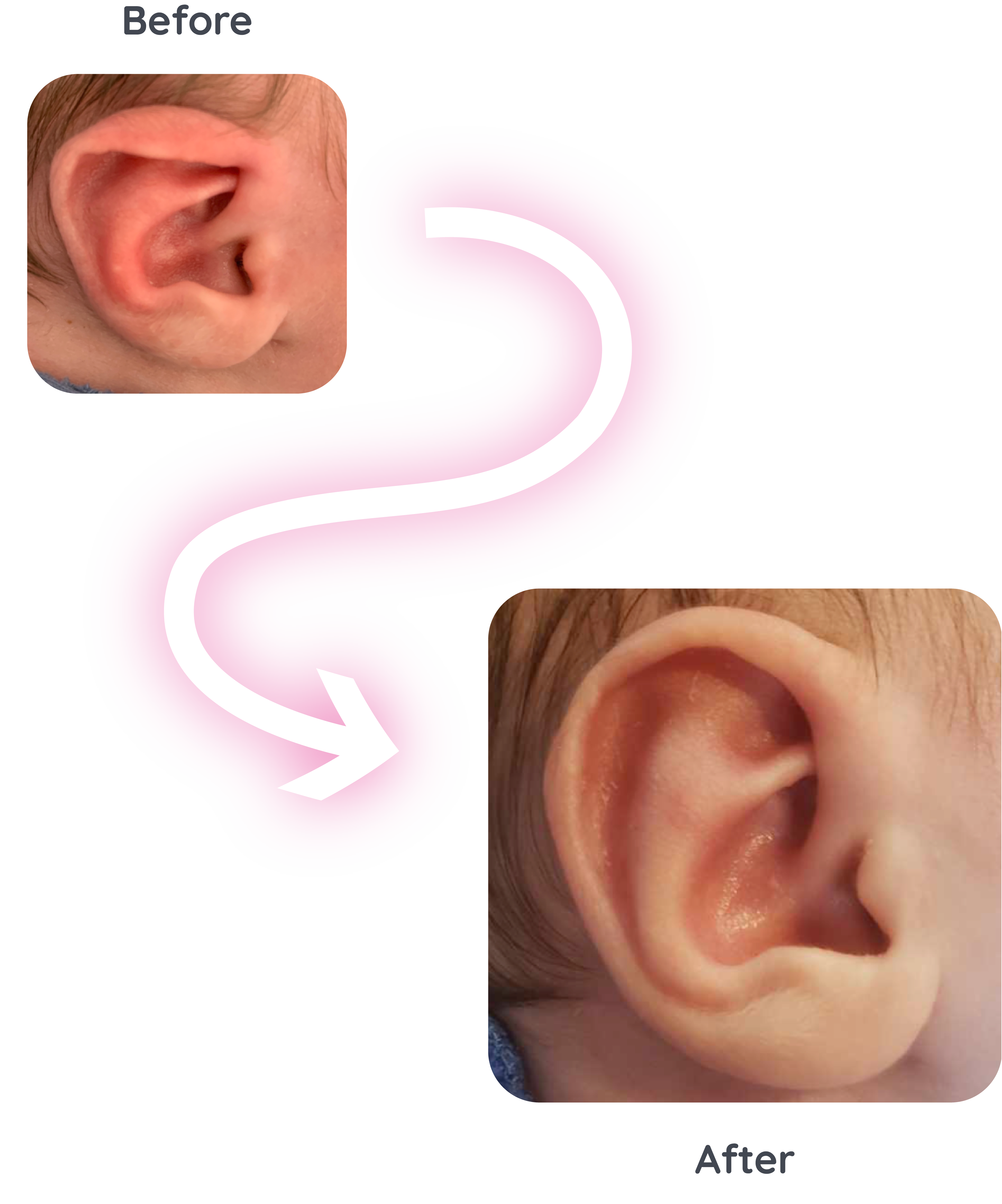
As a parent, noticing your baby’s ear(s) look different than you expected can feel overwhelming and even a little scary. But you’re not alone, and there’s no need to panic. The good news is that most ear deformities can be safely and effectively corrected when addressed within the first weeks of life.2,4

At EarGear, we’re here to support you every step of the way. We’ll help you understand your baby’s condition and provide a non-surgical, gentle solution to create a beautiful ear shape that gives them the best start in life.

Understanding Newborn Ear Deformities.

As a parent, noticing your baby’s ear(s) look different than you expected can feel overwhelming and even a little scary. But you’re not alone, and there’s no need to panic. The good news is that most ear deformities can be safely and effectively corrected when addressed within the first weeks of life.2,4

At EarGear, we’re here to support you every step of the way. We’ll help you understand your baby’s condition and provide a non-surgical, gentle solution to create a beautiful ear shape that gives them the best start in life.

What Are Ear Deformities?

Newborn ear deformities occur when the ear is fully developed but has an irregular or misshapen appearance. These deformities can range from subtle to very pronounced. Deformities can affect one or both ears.1,9

Ear deformities are often the result of genetic influences or your baby’s position in the womb.1,3,10 While it’s natural to feel concerned, early intervention with a non-invasive treatment can make a significant difference in your child’s life.4,8

Early intervention may prevent the psychological impact of teasing or bullying 2,4 and eliminate the need for surgical correction (otoplasty) later in life.3
Newborn Ear Deformities
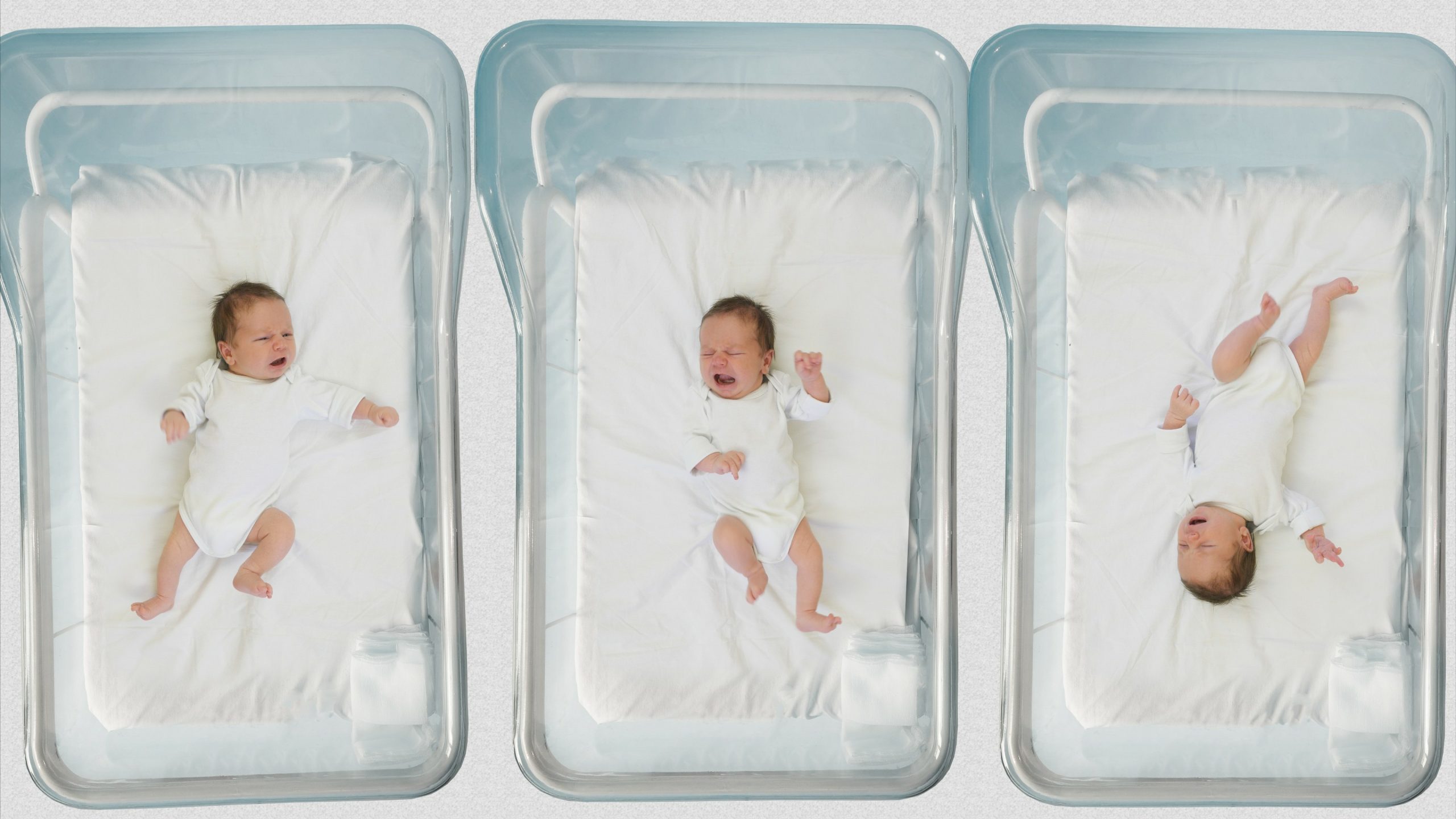
1 in 3 babies is affected by an ear deformity

Common Ear Deformities

Here are some of the most common ear deformities seen in infants. Identifying your baby’s specific ear shape early can help you have a more informed discussion with your physician to create an effective treatment plan.

Stahl's Ear

The ear is pointed at the top, resembling an elf-like appearance due to an extra fold in the ear cartilage.

Mixed Deformities

A congenital ear deformity that has several different components of named ear deformities such as a conchal crus and lidding.

Conchal Crus

An extra band of cartilage across the conchal bowl.

Cup Ear

Also known as constricted ear, involves the entire ear looking rolled or pinched in. The ear appears to stick out and can look tight and small, etc.

Helical Rim Deformity

Any crimp or wrinkle that affects the contour of the outer rim of the ear.

Cryptotia

Occurs when the superior portion of the ear is buried beneath or partially buried under the scalp skin.

Prominent Ear

Ear sticks out/protrudes away from the side of the head.

Lidding

The top of the ear, or the upper ear fold, “lids” over or droops downward, giving the ear a flattened or collapsed appearance at the top.

Common Ear Deformities

Here are some of the most common ear deformities seen in infants. Identifying your baby’s specific ear shape early can help you have a more informed discussion with your physician to create an effective treatment plan.

Stahl's Ear

The ear is pointed at the top, resembling an elf-like appearance due to an extra fold in the ear cartilage.

Mixed Deformities

A congenital ear deformity that has several different components of named ear deformities such as a conchal crus and lidding.

Conchal Crus

An extra band of cartilage across the conchal bowl.

Cup Ear

Also known as constricted ear, involves the entire ear looking rolled or pinched in. The ear appears to stick out and can look tight and small, etc.

Helical Rim Deformity

Any crimp or wrinkle that affects the contour of the outer rim of the ear.

Cryptotia

Occurs when the superior portion of the ear is buried beneath or partially buried under the scalp skin.

Prominent Ear

Ear sticks out/protrudes away from the side of the head.

Lidding

The top of the ear, or the upper ear fold, “lids” over or droops downward, giving the ear a flattened or collapsed appearance at the top.

Treatment Options

Ear Molding

Ear molding is an effective, safe, and non-surgical treatment for infant ear deformities, with a success rate of over 90%.4 Healthcare professionals have trusted this non-invasive, gentle technique for over 20 years.4,7 Starting ear molding early, within the first week or two after birth, can significantly improve the shape of the baby’s ear(s) and help prevent emotional distress as they grow.2,4,11

Surgical Options (Otoplasty)

If ear molding is not started early, surgical correction, called otoplasty, becomes an option later in childhood. However, otoplasty involves anesthesia, incisions, a longer recovery, and added expense. Studies have shown that ear molding offers better results with fewer complications than surgery, especially when treatment is started early.2

SHAPING EARS, SHAPING LIVES™

Treatment Options

Ear Molding

Ear molding is an effective, safe, and non-surgical treatment for infant ear deformities, with a success rate of over 90%.4 Healthcare professionals have trusted this non-invasive, gentle technique for over 20 years.4,7 Starting ear molding early, within the first week or two after birth, can significantly improve the shape of the baby’s ear(s) and help prevent emotional distress as they grow.2,4,11

Surgical Options (Otoplasty)

If ear molding is not started early, surgical correction, called otoplasty, becomes an option later in childhood. However, otoplasty involves anesthesia, incisions, a longer recovery, and added expense. Studies have shown that ear molding offers better results with fewer complications than surgery, especially when treatment is started early.2

SHAPING EARS, SHAPING LIVES™

Contact Us Today!

If your newborn has an ear deformity, early action is key to achieving the best results. EarGear offers a gentle, non-surgical solution.